Garden Maintenance Sidcup — Recycling and Sustainability
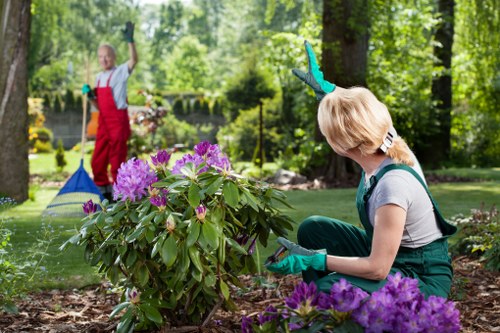 Garden Maintenance Sidcup is committed to delivering sustainable gardening services that prioritise responsible waste handling and low-carbon operations. Our approach combines practical on-site separation, partnerships with local community organisations and charities, and a clear recycling percentage target to reduce landfill and support the borough level waste strategy. Working within the London Borough of Bexley framework, we align our garden waste recycling practices with local collection schemes and the borough’s approach to separated waste streams.
Our teams are trained to sort materials at source so that green waste, woody material, soil and inert rubble are separated from recyclable plastics, metal and card. We use labels and colour-coded sacks to support crew consistency. Reducing contamination in bags and bins increases the recovery rate and ensures that diverted material can be processed by local transfer stations and composting facilities, rather than being consigned to residual waste.
 We set an ambitious recycling percentage target across all our contracts: a company-wide goal of achieving 70% recycling and recovery of garden-related waste within three years, and incremental improvements year-on-year thereafter. This target covers reuse, composting, chipping for mulches, and recovery through borough-authorised reprocessing centres. It is a practical, measurable aspiration that underpins procurement, crew training and customer recommendations for the sustainable disposal of garden rubbish.
To support these ambitions we maintain active relationships with local transfer stations and household waste recycling centres. Where appropriate, materials are taken to facilities such as the Bexley household recycling centres and nearby transfer stations in Belvedere and Bexleyheath, which receive source-separated green waste and recyclables. These local facilities are crucial to ensuring that compostable material goes to aerobic composting or anaerobic digestion chains while metals, plastics and timber find suitable secondary uses.
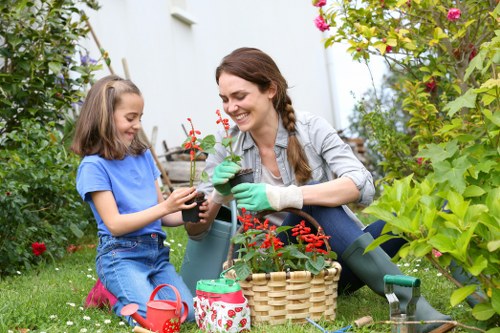 We also engage in selective reuse and redistribution: good soil, potted plants, intact paving slabs and reclaimed timber are diverted from disposal and offered to community allotments, landscaping projects and charity partners. Our reuse programme reduces the need for new materials and channels useful items into community hands rather than into waste streams. This is an important part of our sustainable gardening services that complements borough recycling collections.
Garden maintenance in Sidcup interacts with the borough’s waste separation approach: Bexley encourages residents to separate dry mixed recycling, garden waste and food waste where collection services operate. We mirror that approach on-site by separating:
- Green garden waste: leaves, grass, hedge trimmings — sent for composting or chipping.
- Food and kitchen waste (where collected): diverted into green bins or local AD schemes when generated by client sites.
- Dry recyclables: pots, plant trays, cans and clean plastics — prepared for local recycling streams.
- Reclaimable materials: good soil, stone, timber — offered to partners or reused in projects.
 We partner with a variety of local charities and community organisations to extend the life of garden materials. Partnerships include alliances with community compost hubs, allotment associations and local reuse charities that accept tools, pots and salvageable timber. By working with recognised charity partners and community projects we help keep usable items in circulation, supporting circular economy principles and providing low-cost materials to community groups in Sidcup and surrounding wards.
Our sustainability strategy also includes investment in a low-emission fleet. Low-carbon vans and hybrid vehicles form the backbone of our transport plan, with a gradual transition to battery-electric vans for local rounds. Route optimisation software, scheduled consolidation of loads and off-peak travel are standard practice to reduce fuel use and emissions. We take pride in offering Sidcup sustainable gardening services that reduce local traffic impacts and lower the carbon footprint of routine garden clearances.
 Practical onsite measures are paired with reporting and transparency. Each job includes a simple waste audit showing estimated weights and destinations for recyclable and non-recyclable fractions. Monthly monitoring feeds into our recycling performance dashboard so we can track progress toward the 70% target and refine operational choices—such as whether to chip woody arisings for mulch, deliver material to a community compost hub, or rehome items through partner charities.
Operational commitments and client-facing policies
We emphasise clear communication with clients about what can be recycled or reused, and offer alternatives if on-street borough services are not available. Where Bexley’s collection services do not accept certain items, we arrange transfer to authorised local facilities. Our crews carry separation kits and guidance cards, and clients receive a brief report after each visit explaining how waste was handled.
Our internal policies include waste minimisation steps, such as favouring mulching and on-site composting where space and permissions allow. We avoid unnecessary single-use plastics in our supplies and encourage clients to choose durable materials. Sidcup gardening waste recycling becomes more effective when teams, clients and local facilities coordinate: this cooperative approach is central to our results.